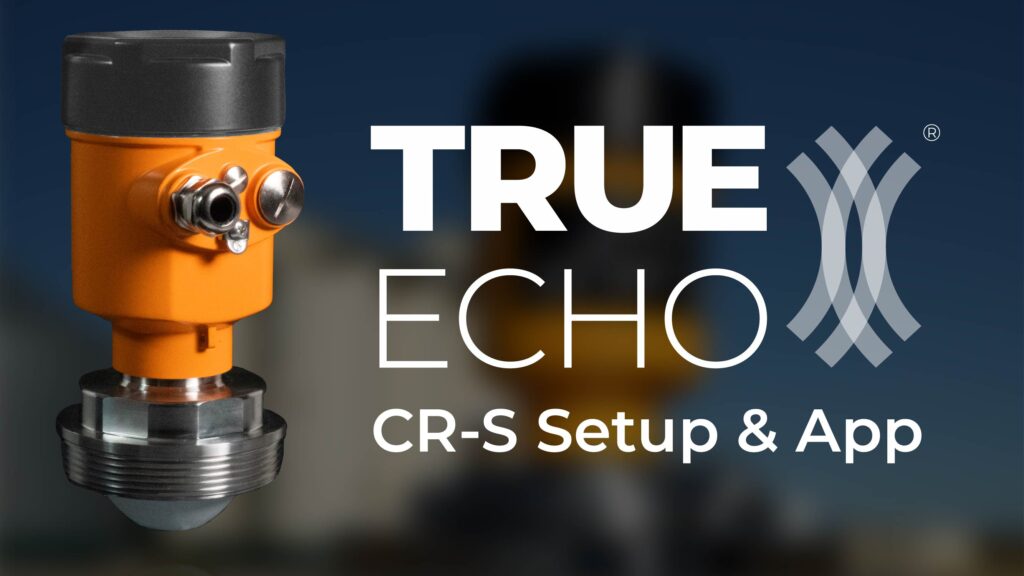
Walk through factors to consider when setting up your CR-S radar and take a look at some in-app features. Find CR-S documentation on the product page. To learn more about this heavy duty radar, click the link here.



Walk through factors to consider when setting up your CR-S radar and take a look at some in-app features. Find CR-S documentation on the product page. To learn more about this heavy duty radar, click the link here.
Ultrasonic sensors emit sound waves and use time-of-flight calculations to determine the distance from the sensor to the surface being measured. APG’s ultrasonic sensors are most often used for level measurement, especially in tanks, water/wastewater, and chemical applications, but ultrasonic sensors are also well suited for object detection and industrial automation. Ultrasonic sensors are versatile tools that can be used across industries. […]
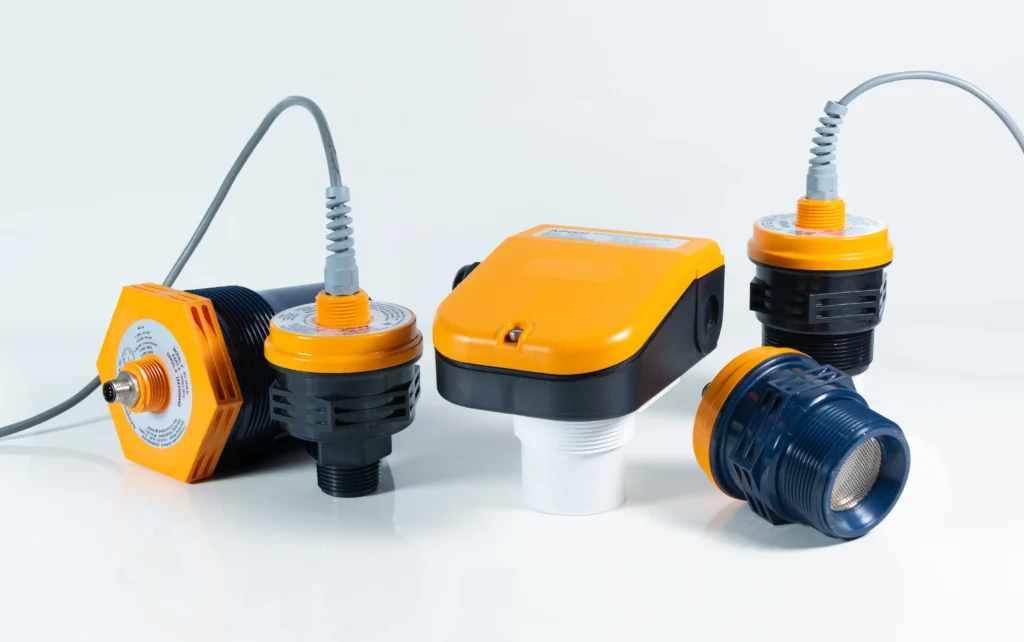
Ultrasonic level sensors are powerful and effective tools for non-contact measuring, whether you’re in the business of tank level monitoring or object detection. Ultrasonics can detect anything that will reflect sound waves, regardless of color, transparency, or dielectric constant. They can be connected to relays or switches to facilitate automation or sound alarms at critical moments. Their versatility is one of the reasons they continue to be the top choice […]
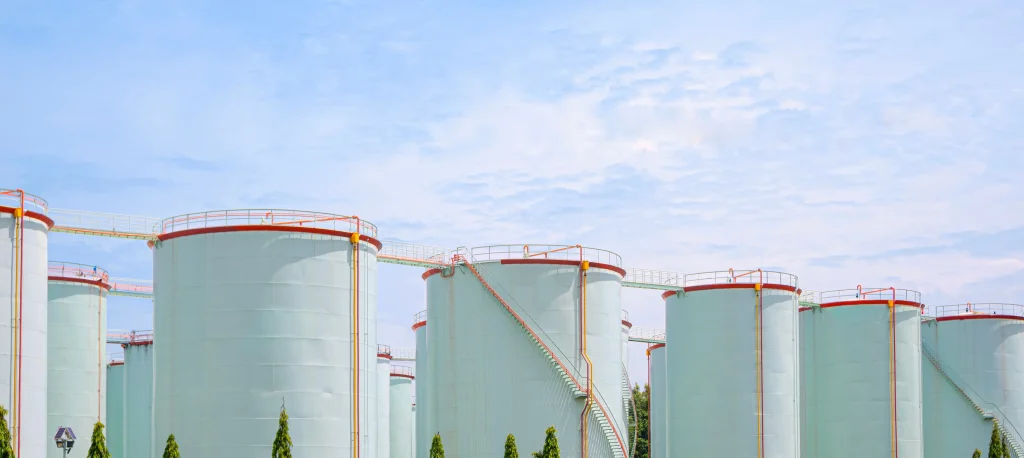
When a HAZOP team asks, “What if the level gets too high?” in a chemical plant inspection, the answer is worth paying attention to. Chemical manufacturing plants contain environments where inaccurate level measurements can contribute to spills, regulatory violations, equipment damage, and personnel hazards. Reliable level monitoring is a critical component of process safety. […]
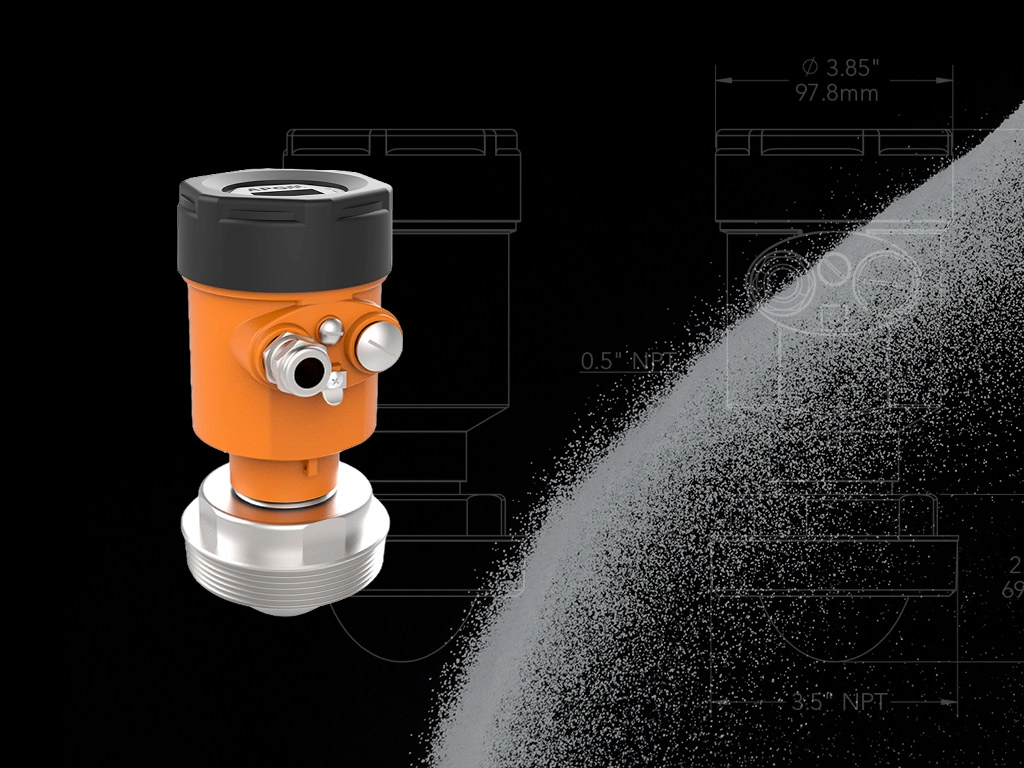
Automation Products Group, Inc. (APG) is proud to announce the addition of a new member to the TRUE ECHO® radar family: the TRUE ECHO CR-S Bulk Solids Radar. This is our first long-range, continuous radar specifically designed to measure bulk solids, powders, pellets, grains, liquids, and aggregate materials. Powered by advanced 80GHz FMCW radar […]
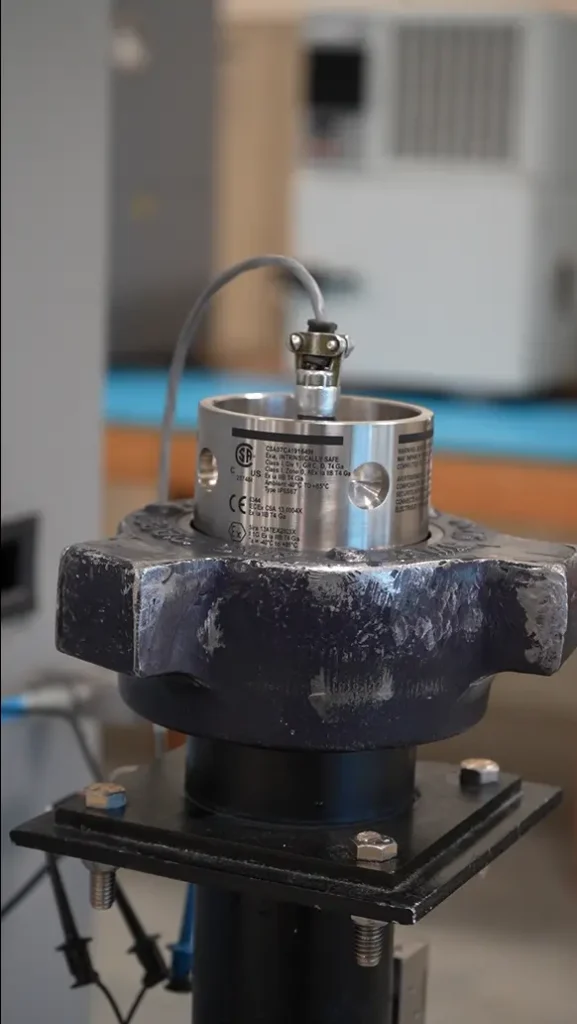
Extreme conditions demand exceptional engineering. APG sensors are built to perform under intense pressure—delivering reliable measurements where failure isn’t an option. Our hammer union pressure transducer is rated to withstand pressures of up to 20,000 psi. Explore our hammer union in the link below: HU1502I Hammer Union Pressure Transducer

Automation Products Group Inc. (APG) has been in the industrial level sensing business for over 40 years now and one of the biggest challenges facing our customers is chemical compatibility. Between tough chemicals, extreme temperatures, and hazardous fumes, choosing the right sensor for the job can be tricky. The wrong sensor material in the wrong […]
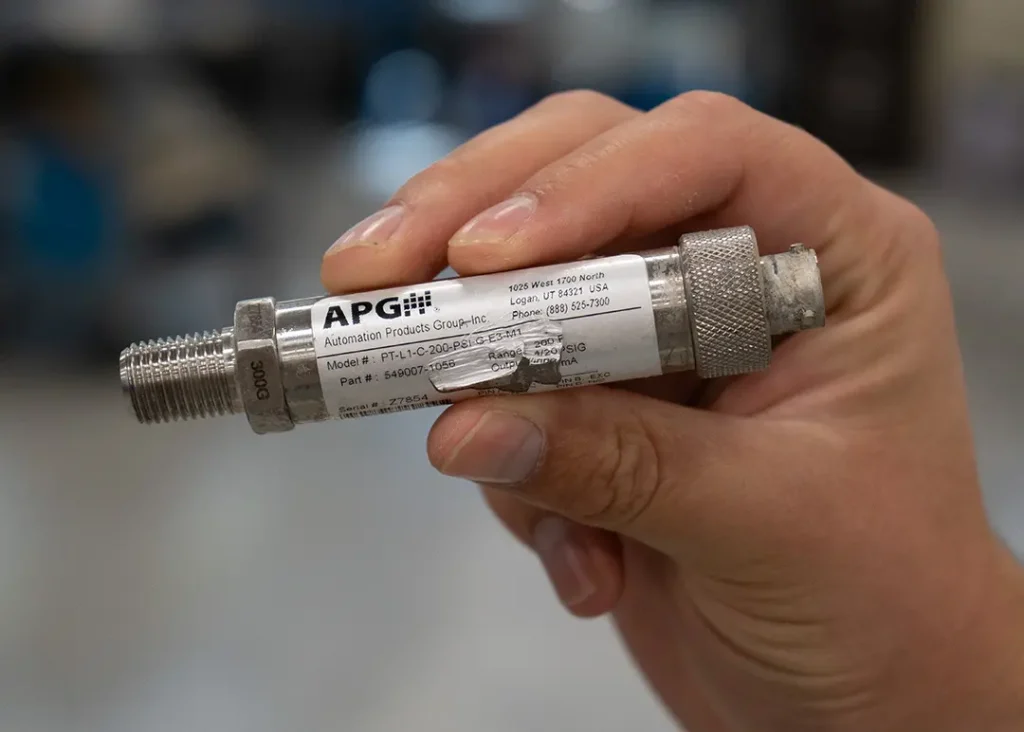
Our products are built to last—this PT-L1 pressure sensor performed reliably for 12 years. The product was recently returned for repair after the customers technician accidently dropped it in water. Build your system with sensors you can trust. Check out our PT-L1 today!
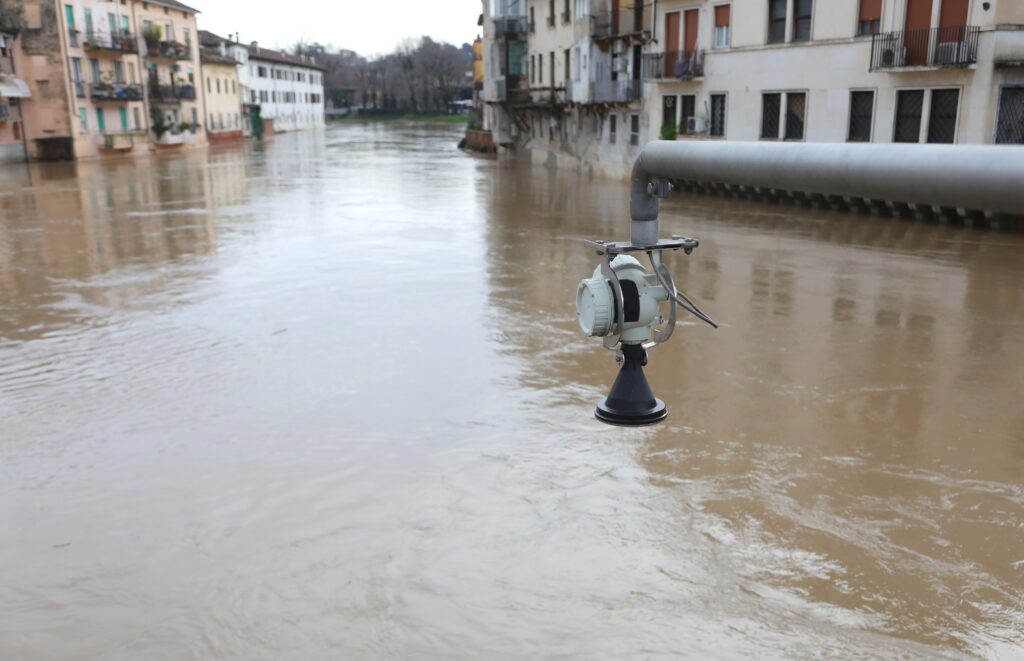
Key Takeaways: Planned preventative maintenance can save you time and money down the road. APG ultrasonic level sensors are designed to be low maintenance, but all equipment benefits from occasional attention. Things to check: buildup, corrosion, calibration, and alignment. One of the appeals of ultrasonic sensors is that they are non-contact and therefore don’t get […]